Peru and Ecuador 2026
Pages
Introduction.
May
29,
30,
31.
June
01,
02,
03,
04,
05,
06,
07,
08,
09,
10,
11,
12,
13,
14,
15,
16.
Home.
2026-05-29
In the morning, I transferred my luggage to the hotel the group tour was using,
got some local currency at the airport, and then went out to see Lima. Two ATMs
each offered withdrawals only up to 400 PEN, about $120. This is apparently due
to bank policies to reduce fraud and theft and to manage cash flow. I took it as
a sign I would not need a lot of cash in Peru, and that turned out to be
correct; I paid by credit card most places and had leftover cash at the end of
the trip.
My shaver had gotten switched on during travel and run out of battery charge,
and I had not packed its charging cable, because I am extreme about reducing
luggage weight. So I was also looking for a new shaver.
I set off without plans or transit information. Following signs got me to a set
of bus stops (further from the airport terminal than the hotel is), and there
was a booth where I could ask which bus to get onto. It was like traveling in
the Old Days, before iPhone would tell you everything. It is a seven-mile drive
from the airport to the Lima city center, but it took the “express” bus about 90
minutes—not because it made many stops (it did not) but because of traffic. I do
not recommend traveling to Lima until they finish the metro from the city center
to the airport.
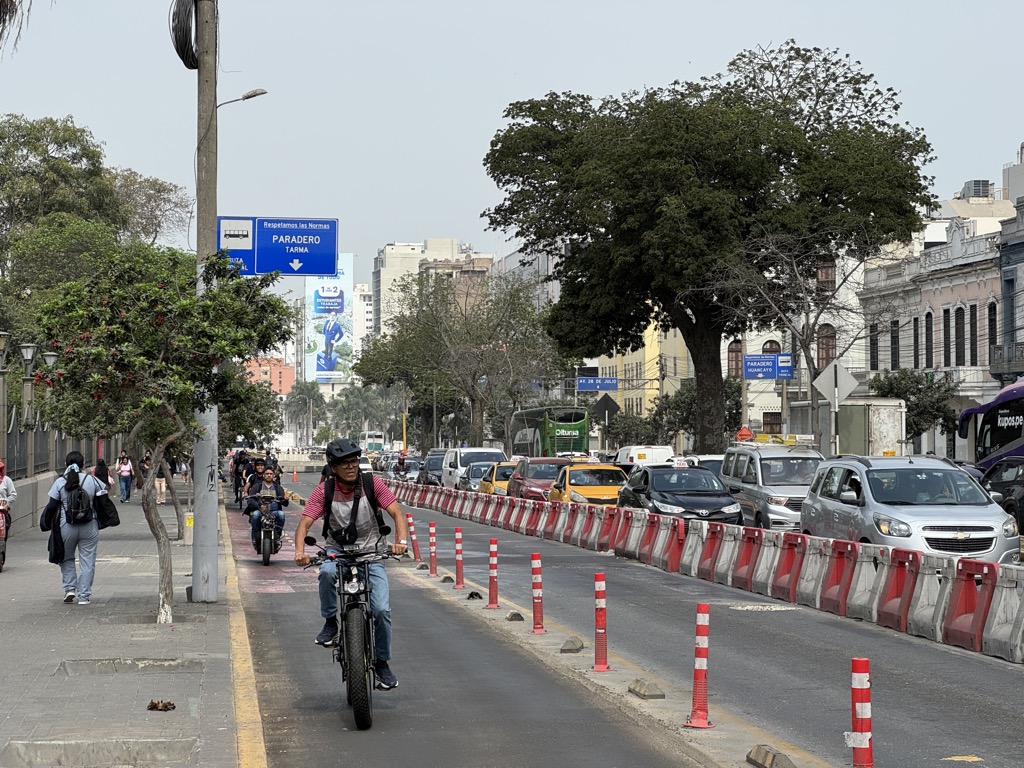
After getting off the bus, the traffic situation was further evident as a
pedestrian. Drivers do not care if you have a walk sign when they are turning
right on red. So you have to be always looking around for traffic and waiting
for openings. (Two months later, Iceland proved to be the opposite: Drivers
would stop presumptively if it looked like you were heading toward the street.)
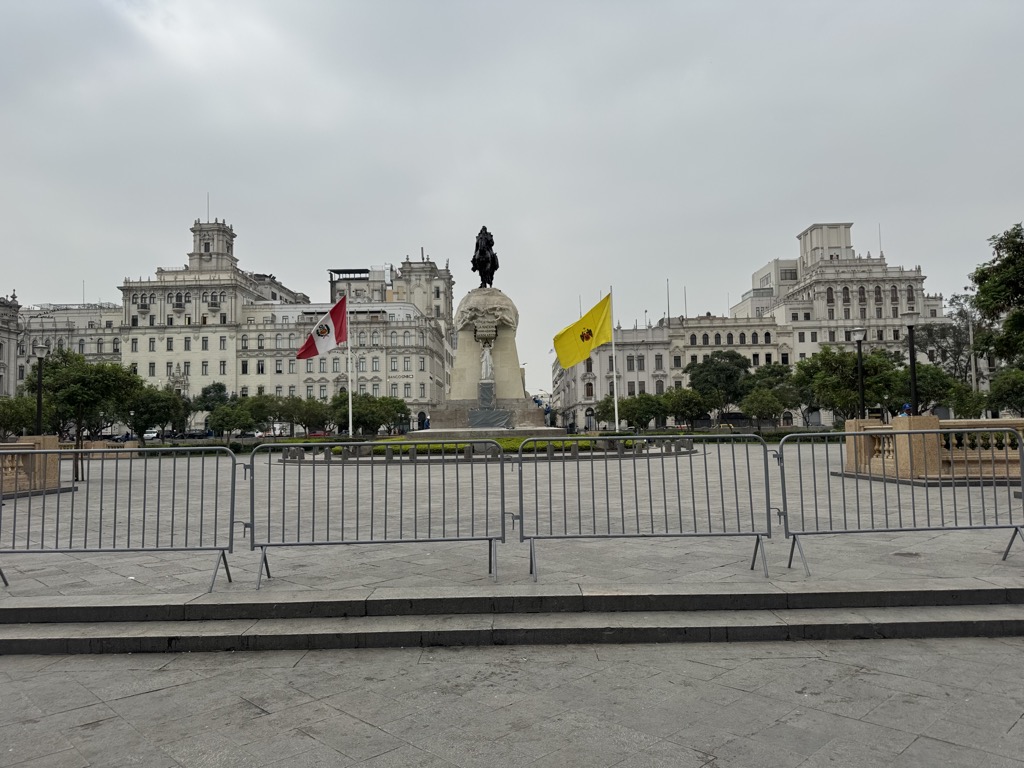
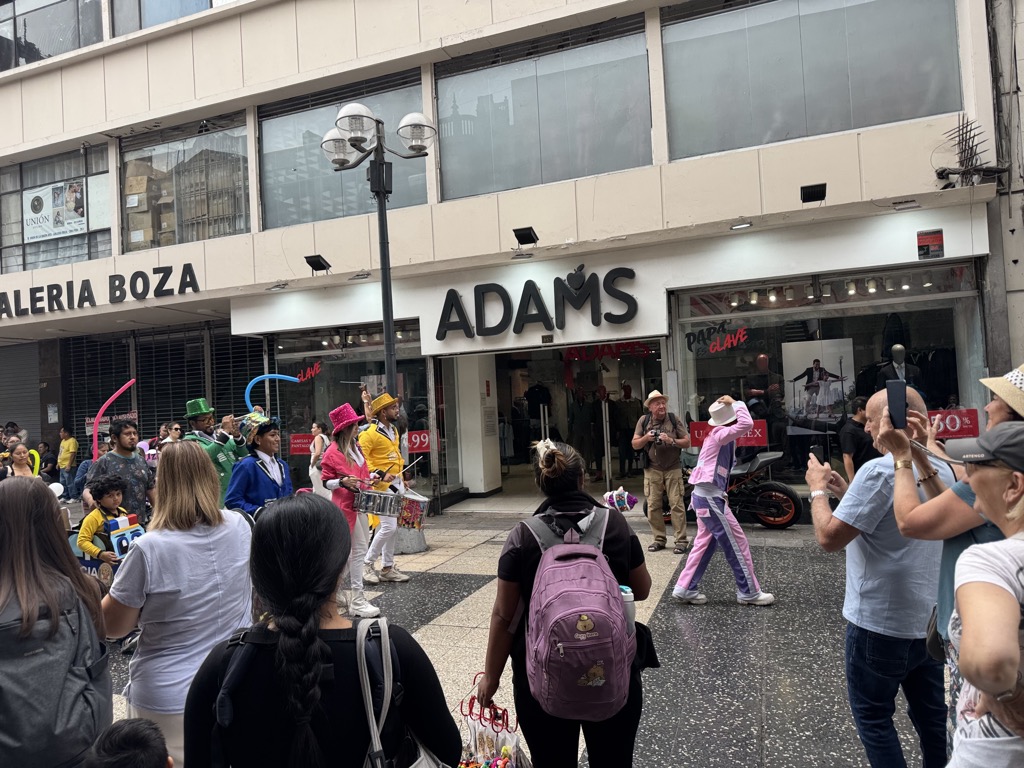
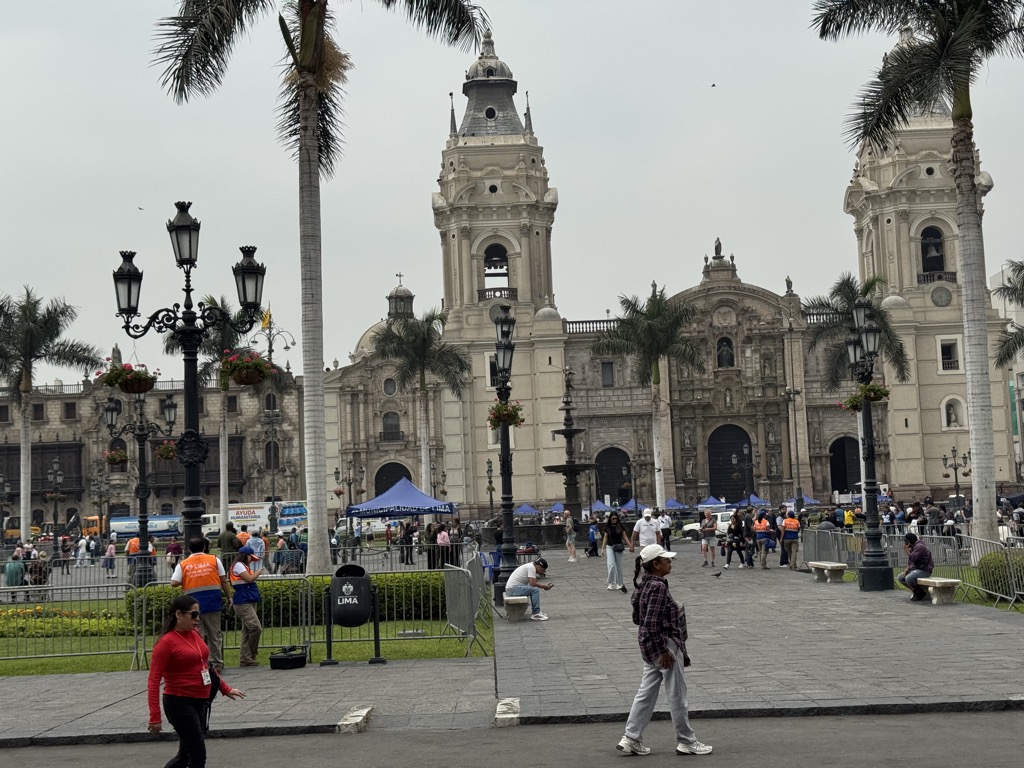
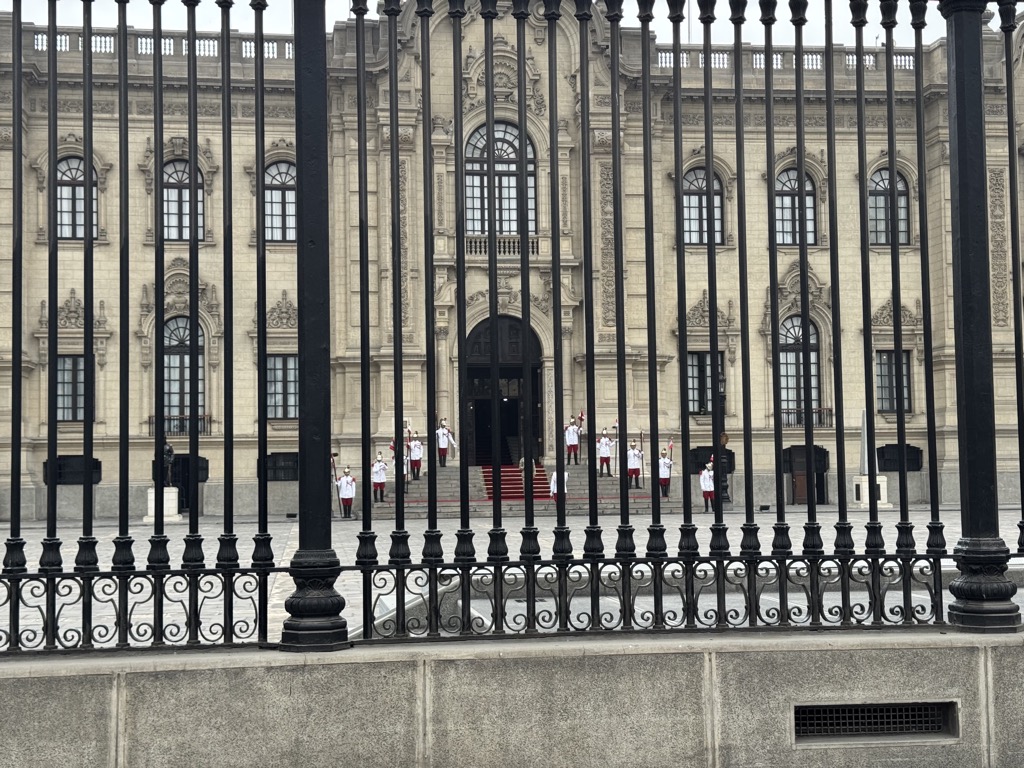
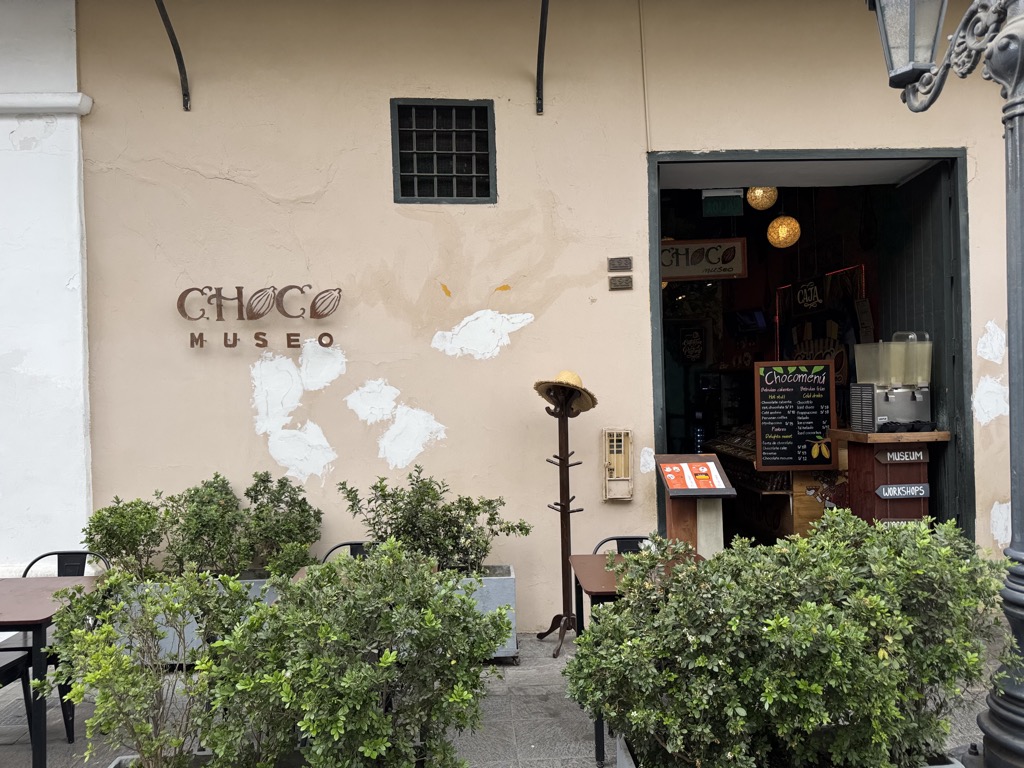
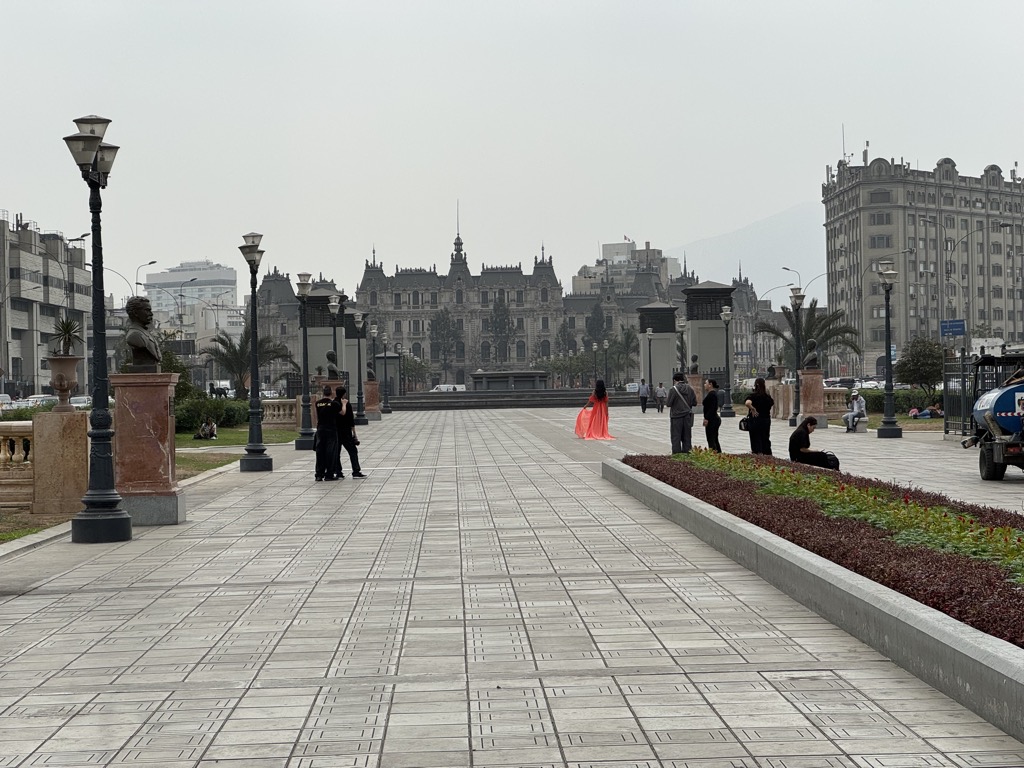
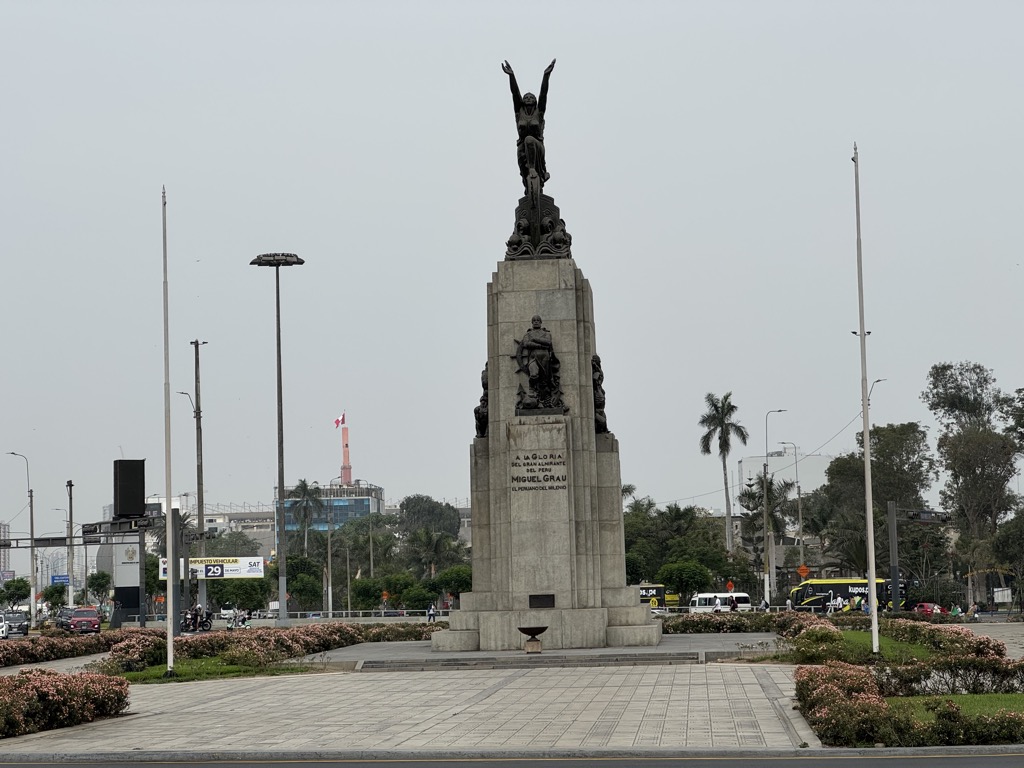
I set a chocolate museum/store as my destination in Apple Maps but wandered a
bit rather than following the app’s directions, seeing downtown, plazas, stores,
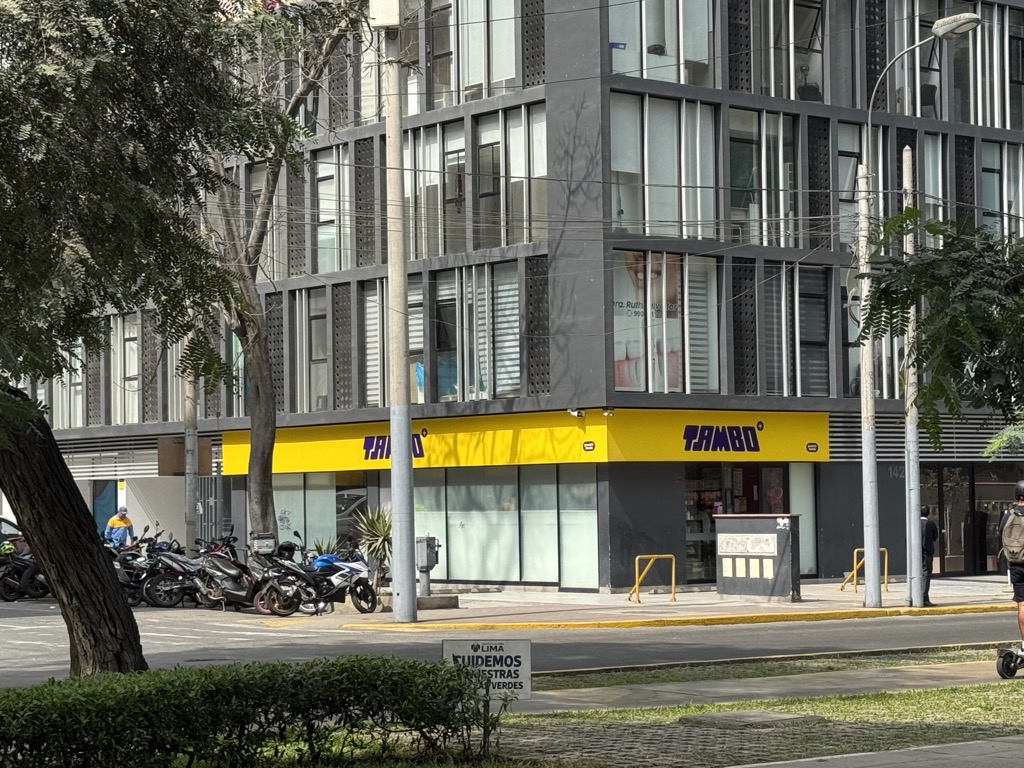
a random parade, and whatnot. Along the way I found a small shop with personal
care items and other things and bought a shaver. It charges with a USB-C port,
so I will not have to pack a separate cable for it.
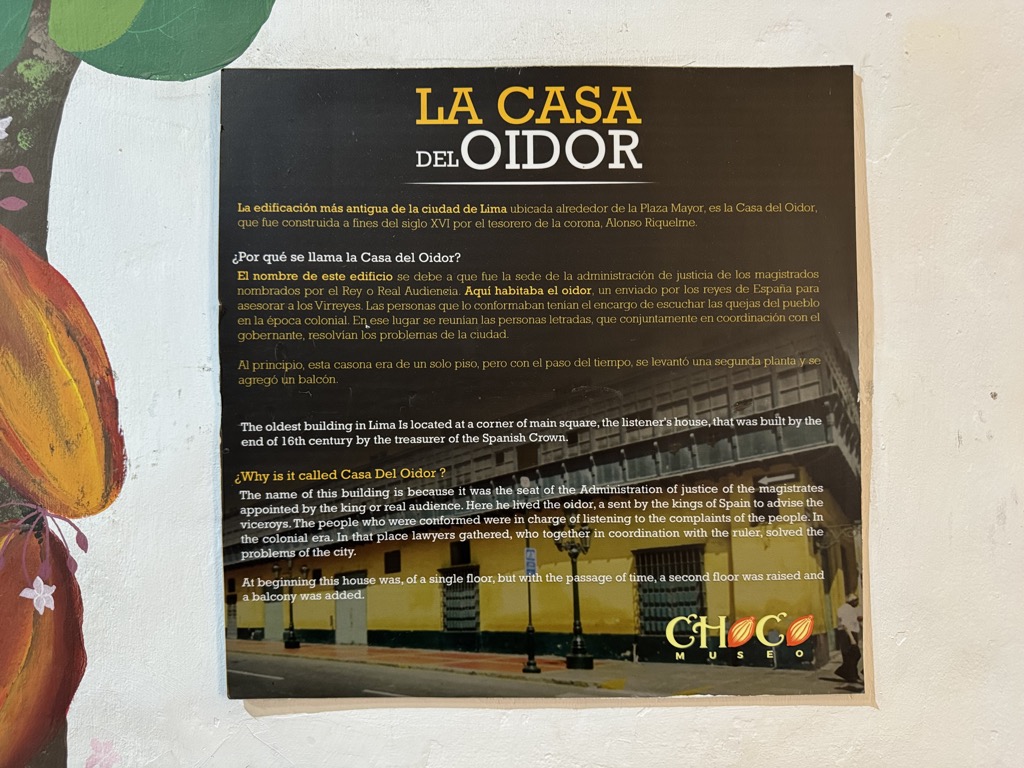
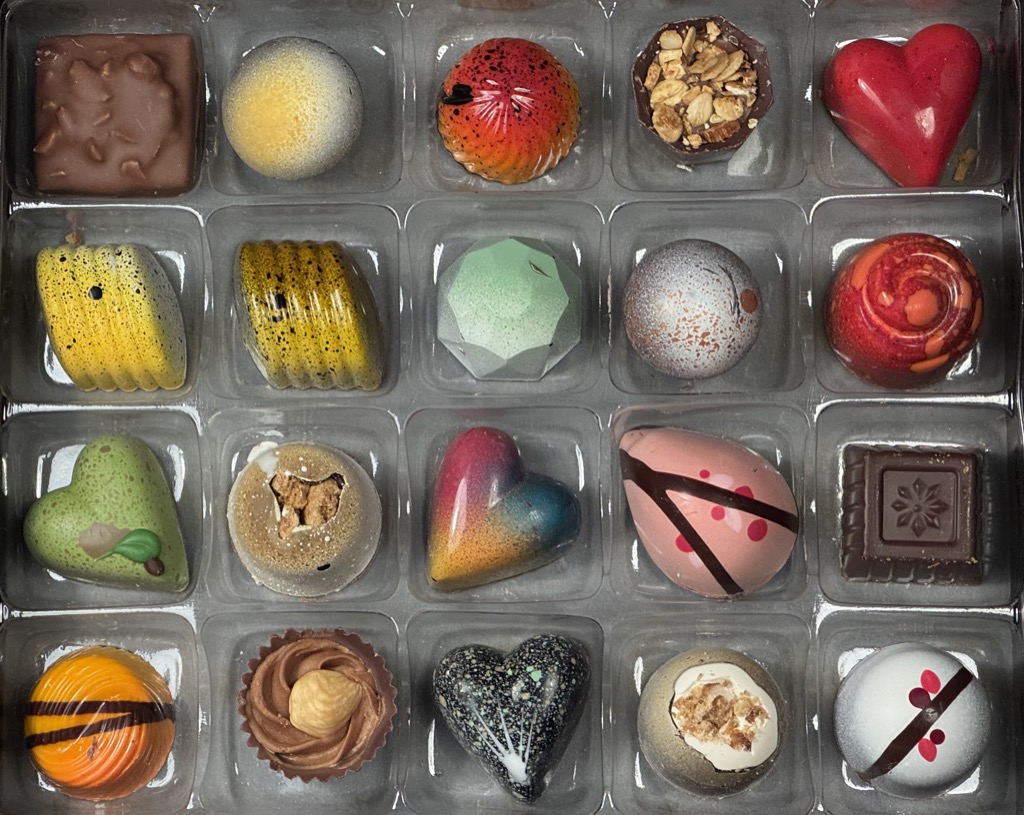
The chocolate museum was not much of a museum, and the chocolate it was selling
was not attractive. Oh, well. I changed my destination to another chocolate
store over four miles away and started walking. (That is far enough to use
transit, but part of the point was to walk through a new city.)
It was only about 72 °F, but the humidity made it feel warmer and mildly
unpleasant. Later in the day, it was 74 ºF but felt nicer, even cool. There are
lots of little shops around the city—convenience stores, snacks, clothes,
electronics, and whatnot. It looks like individuals set up shops of all kinds,
and big department stores or box stores have not pushed them out.
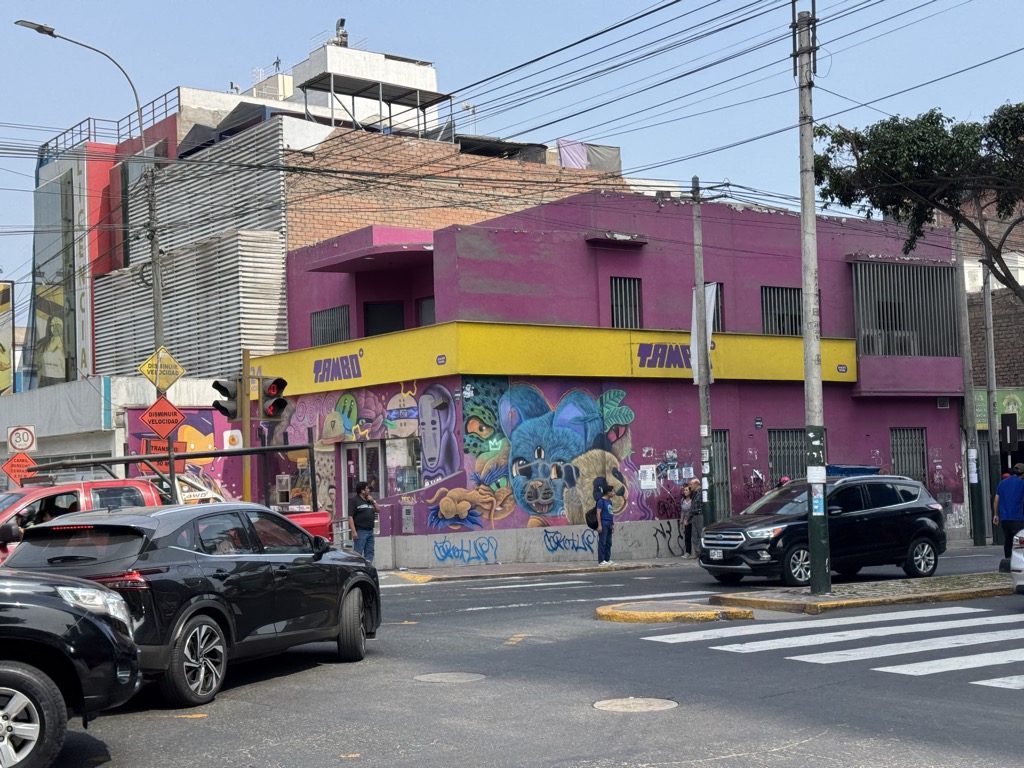
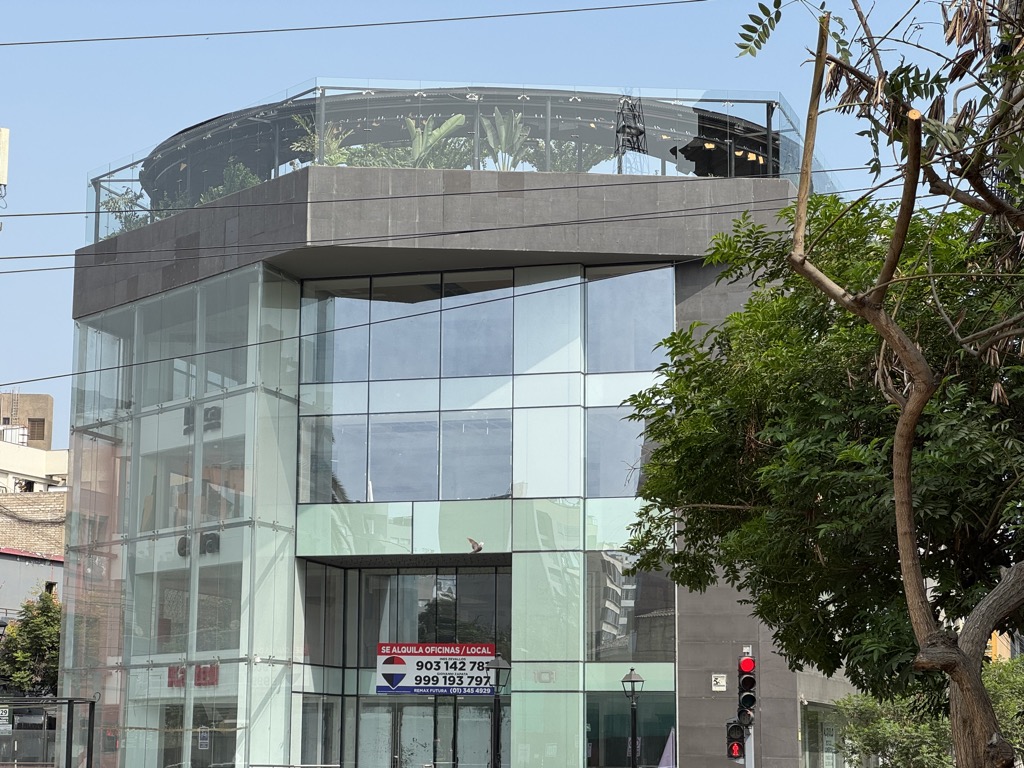
Every building was different—different facade, different architecture, a mix a
modern and old, not much cohesive character. It gives a disorderly look, but I
wonder if the buildings are nice on the inside. The city seems chaotic but I saw
no litter and very little graffiti.
Lima public transit information was in Google Maps but not Apple maps. Boo. On
the other hand, offline maps did not work well in Google Maps. I had downloaded
the Lima area, but searching for things in that area did not work. And cellular
data service seemed bad; things took a long time to load, even with five bars.
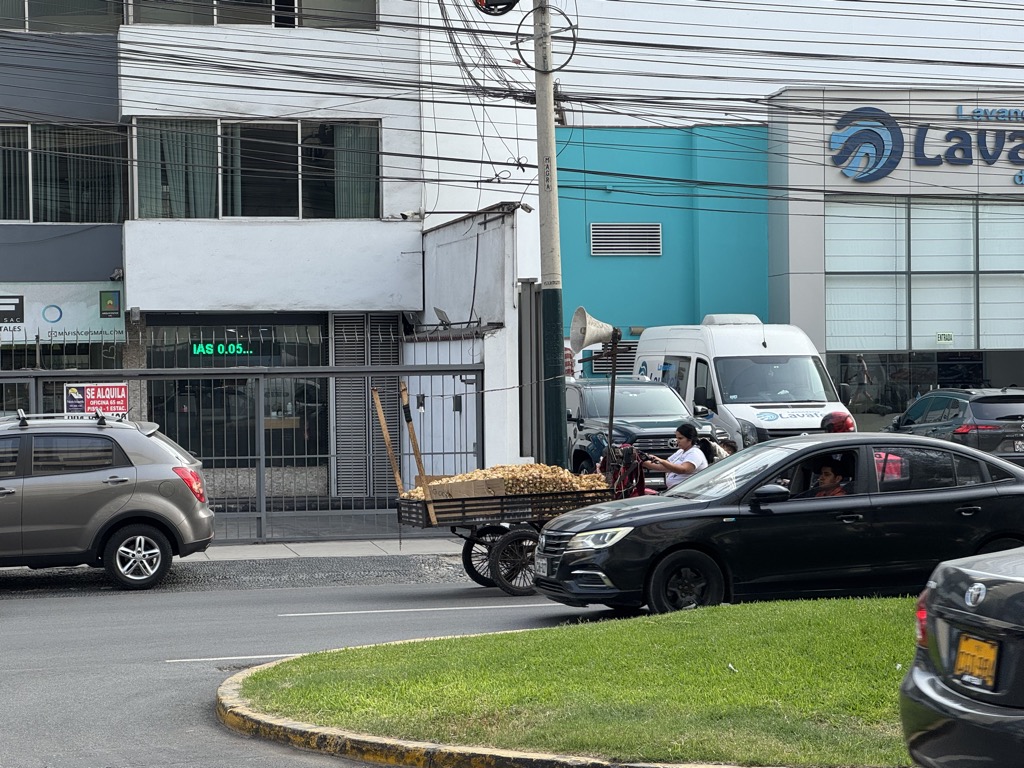
Traffic seems really bad in Lima. From several vehicle trips later in this
visit, it seems to take much longer to travel any distance than in cities of
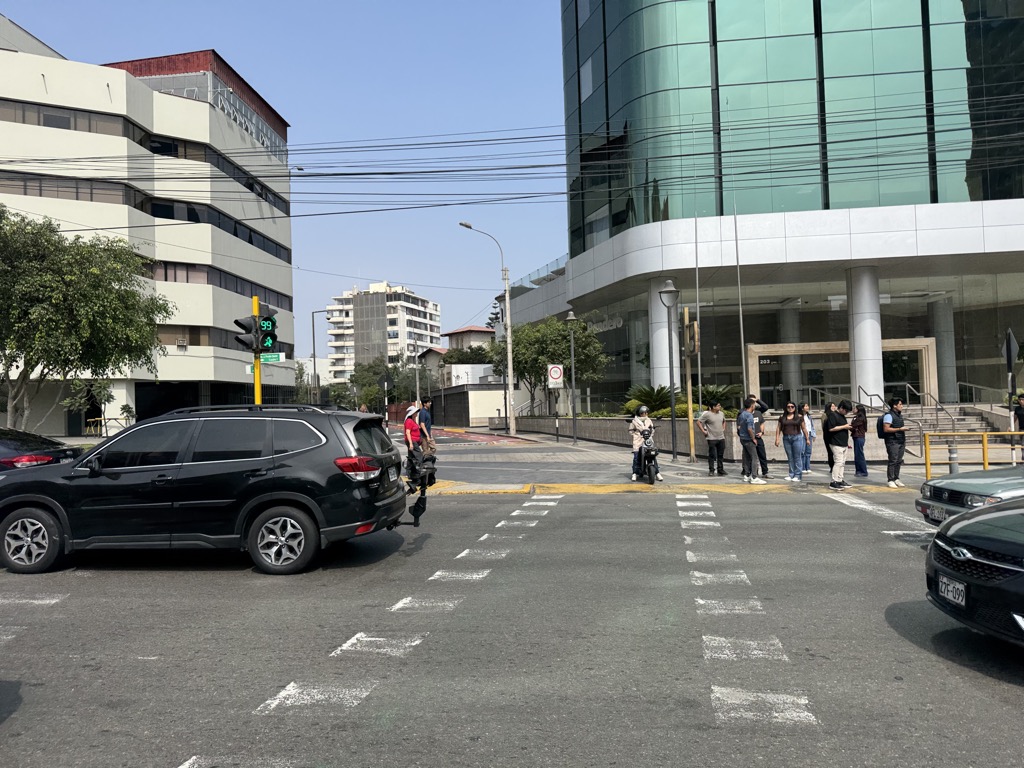
comparable size. Traffic is so messed up in Lima that, at one intersection, I
saw pedestrians waiting on a green light and crossing on a red. Although the
pedestrians had a green light, there was still traffic coming in from one
direction. (It was a large compound intersection with some sort of merge going
on.) When the pedestrians had a red light and cross traffic had a green light,
the traffic backed up from the next intersection, so the pedestrians could walk
between the stopped vehicles.
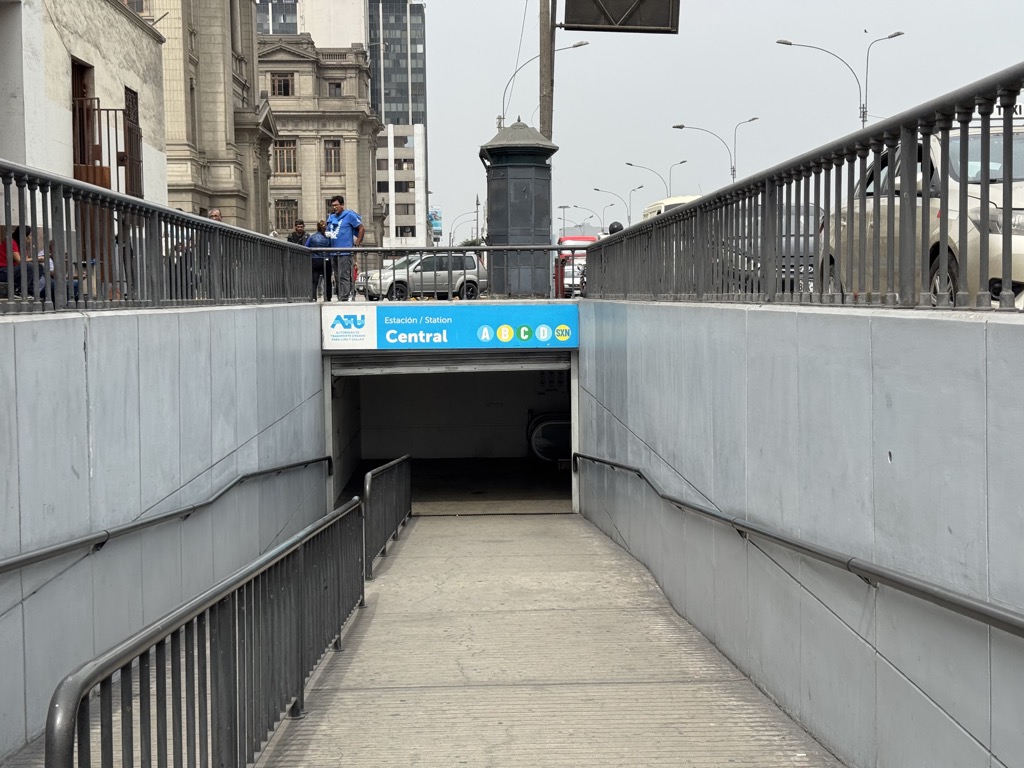
While walking through the city, I passed through a large underground bus station
and did not see any route maps posted in it. In a mall where I found a chocolate
store later, I did not see any map or store directory.
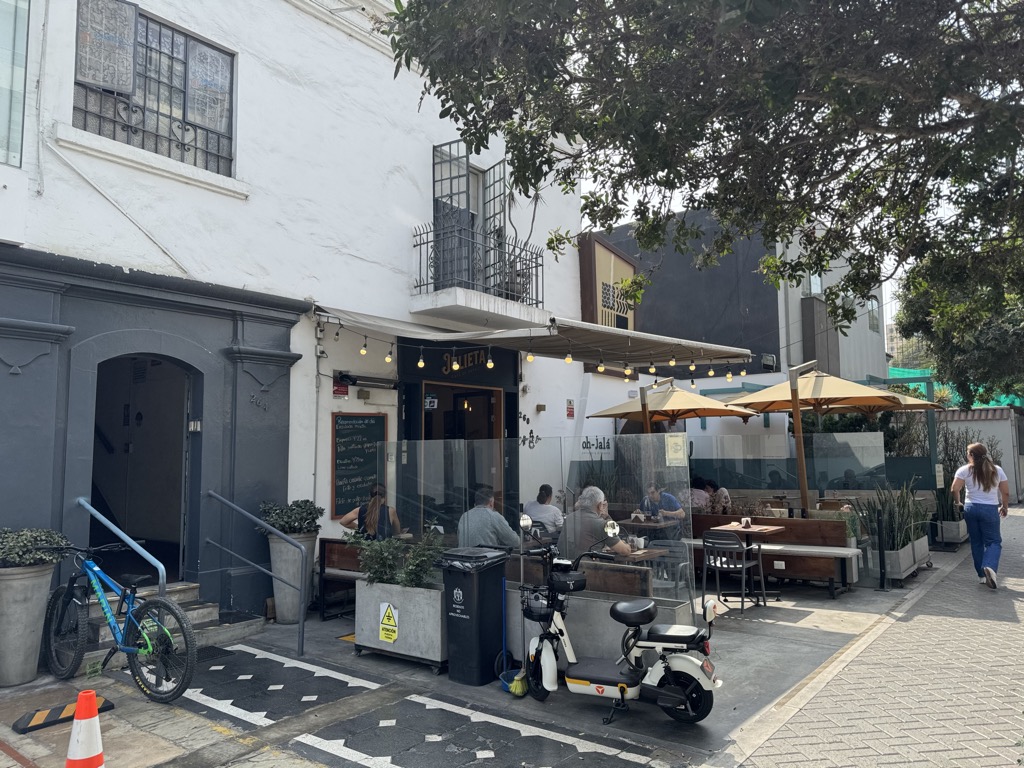
The next chocolate store I was looking for was gone. I retraced my steps a bit
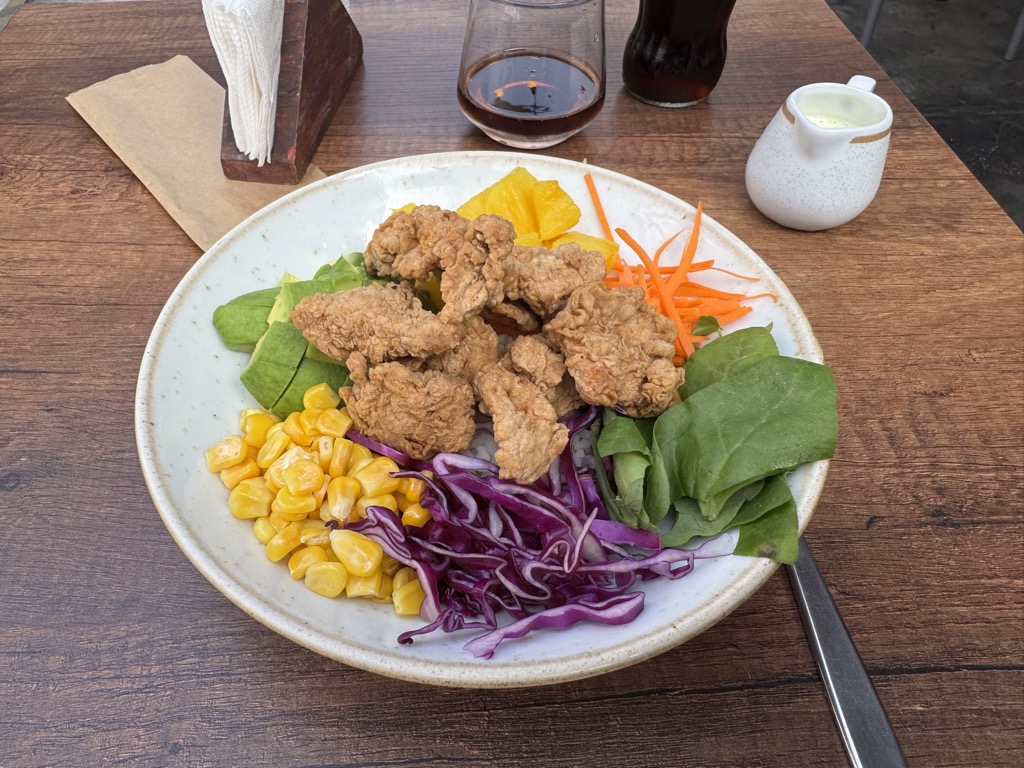
to a place for lunch I had spotted. After lunch, I took an Uber to the next
chocolate store, Roselen, which was in a modest mall, and then an Uber to the
hotel. Uber gives the passenger a confirmation code they have to relay to the
driver for security. On one of the trips, the Uber driver bought bananas from
somebody on the side of the road and paid via app.
That was basically my one whole day in Lima. The tour took us other places
and did pass through Lima twice more but did not afford much more time to
explore the city.
© Copyright 2026 by
Eric Postpischil.